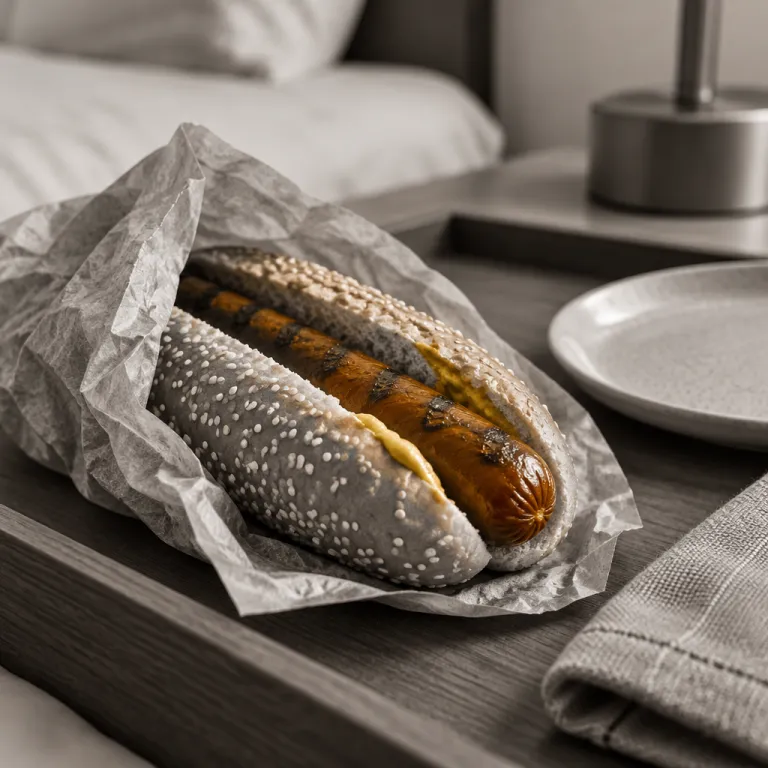
Why Brooklyn’s smoked uncured classic beef hot dogs matter for hotel guests
Booking a stay in Brooklyn now often means thinking about what you will eat as much as where you will sleep. The rise of the Brooklyn hot dog trend, especially smoked uncured classic beef hot dogs, shows how seriously local hotels take food, particularly when guests want a quick, high quality bite without leaving the lobby. When a hotel bar serves a carefully made beef hot dog instead of a generic snack, it signals that the entire product experience, from room to restaurant, has been considered.
In this borough, chefs treat each dog as a crafted item, not an afterthought, paying attention to beef quality, natural casing, and smoked flavor. Many kitchens now highlight whether they use grass fed beef or a beef pork blend, whether the sausage is uncured beef with no synthetic nitrites, and whether the bun size matches the generous size hot sausage. Guests who care about ingredients, from celery powder to sea salt and mustard paprika, can read a menu and understand exactly what they are eating.
For travelers comparing Brooklyn with other New York neighborhoods, the focus on classic beef and smoked uncured sausages becomes a subtle but real differentiator. A lobby lounge that grills a smoked dog to order can feel more welcoming than a property that relies only on pre packed snacks. When you see a menu listing serving size, total carbs, calories, and full ingredients, you know the hotel respects both flavor and transparency.
From street cart to hotel bar: how Brooklyn elevated the classic hot dog
Street vendors made the New York hot dog famous, but Brooklyn hotels have refined it into something more polished. Many properties now partner with local producers of smoked uncured sausages, bringing dog smoked links with natural casing into rooftop bars and lobby lounges. The William Vale in Williamsburg, for example, has featured locally sourced beef hot dogs on its terrace menus, while boutique hotels in Greenpoint work with nearby butchers for small batch products. The result is a classic hot plate that feels both nostalgic and surprisingly elegant with a drink.
On several menus you will find a choice between pure beef hot sausages and mixed beef pork versions, each with its own texture and fat content. Some kitchens prefer leaner fed beef, while others embrace a slightly higher fat ratio for a juicier bite, always listing calories and total carbs so guests can balance indulgence and restraint. When you see uncured classic options described clearly, you can decide whether a lighter serving or a larger size hot portion suits your evening.
Plant forward travelers are not ignored either, and many hotels now pair their meat focused hot dog offerings with creative vegetarian plates. If you are planning where to stay and want strong plant based options alongside serious sausages, guides to vegan restaurants in Brooklyn and nearby hotels can help you map out your days. That balance between robust meat dishes and thoughtful alternatives reflects how Brooklyn dining has matured beyond simple street food.
Reading the label: ingredients, nutrition and what they mean for your stay
When a hotel menu highlights smoked uncured classic beef hot dogs, it is worth understanding what those words actually mean. Smoked uncured sausages usually rely on natural preservatives such as celery powder and sea salt instead of synthetic nitrites, which appeals to guests who prefer more natural ingredients. A well written description should list the main ingredients, including beef, any pork content, spices like pepper coriander and mustard paprika, and whether a natural casing is used.
Nutrition conscious travelers increasingly check calories, total carbs, and serving size before ordering a late night snack. A typical serving of a grass fed beef hot dog with a standard bun may range between 250 and 350 calories, depending on fat content and toppings, so hotels that publish total numbers help guests make informed choices. When menus break down total carbs and note whether the product uses a beef pork blend or only fed beef, you can align your order with your daily eating plan.
Texture also depends heavily on casing and size, which is why some Brooklyn chefs insist on a firm natural casing that snaps when you bite. Others choose a slightly thinner size hot sausage to keep the serving more moderate, especially for guests pairing it with fries or a salad. Either way, the combination of smoked flavor, uncured beef, and classic beef seasoning turns a simple dog into a small but memorable part of your hotel experience.
Where food trends meet room keys: choosing a Brooklyn neighborhood
Food trends in Brooklyn vary sharply by neighborhood, and that matters when you choose a hotel. Williamsburg and Greenpoint lean heavily into craft beer bars that serve smoked uncured hot dogs with elaborate toppings, while Downtown Brooklyn hotels often offer a more streamlined, grab and go version. In both areas, you will find menus that mention grass fed beef, natural casing, and smoked uncured preparation as selling points.
Guests torn between staying in Brooklyn or across the river often weigh dining options as carefully as room rates. A detailed comparison of how Brooklyn and Manhattan shape your stay can clarify whether you prefer a quieter neighborhood with strong local hot dog culture or a busier district with more formal restaurants. Brooklyn properties tend to highlight local product sourcing, from fed beef suppliers to bakeries that match bun size precisely to each classic hot sausage.
Park Slope and Carroll Gardens bring a slightly different angle, with family friendly hotels that serve smaller size hot portions and lighter toppings. Here you might see menus that emphasize lower fat content, clear calories per serving, and total carbs suitable for children or lighter eaters. Even in these quieter streets, the presence of a well made hot dog, whether pure beef or beef pork, signals that the hotel takes casual dining seriously.
How hotels curate smoked uncured classic beef dogs for modern palates
Behind the scenes, hotel chefs in Brooklyn work closely with sausage makers to refine every aspect of their smoked uncured hot dogs. They test different blends of uncured beef and beef pork, adjusting fat levels and smoked intensity until the flavor matches the property’s overall style. Some bars prefer a bold, heavily smoked uncured profile, while others choose a milder dog smoked option that pairs better with wine or cocktails.
Seasoning plays a central role, and many kitchens now highlight spice blends on the menu. Guests might see references to pepper coriander and mustard paprika, which add warmth without overwhelming the natural taste of grass fed beef or carefully sourced fed beef. When these spices are balanced with sea salt and supported by a firm natural casing, the result is a classic beef sausage that feels both familiar and refined.
Portion planning is equally deliberate, because hotels must consider how a serving fits into a full evening. A standard serving size often includes one or two size hot sausages, with clear information about calories and total carbs so guests can decide whether to share. By treating each hot dog as a thoughtfully designed product rather than a generic snack, Brooklyn hotels align their casual menus with the same care they give to their rooms and service.
Planning your stay around Brooklyn’s evolving food and beverage concepts
Travelers who care about food increasingly plan their Brooklyn stays around emerging concepts, not only around landmarks. A hotel that embraces smoked uncured classic beef hot dogs often also supports local breweries, natural wine bars, and neighborhood bakeries, creating a full ecosystem of taste within walking distance. When you see a lobby menu that lists detailed ingredients, from celery powder to natural casing, it usually reflects a broader commitment to transparency.
Many properties now design packages that combine dining credits with late checkout, encouraging guests to enjoy a relaxed hot dog and drink at the bar instead of rushing out. These offers often highlight signature items such as a grass fed beef hot dog with house pickles, or a classic hot plate featuring both beef and beef pork sausages for sharing. Clear notes on serving size, total carbs, and calories help wellness focused guests enjoy these treats without losing track of their daily goals.
As you compare hotels, pay attention to how they talk about their food, not just their rooms. Menus that specify uncured beef, smoked uncured preparation, and precise size hot options show that the team has thought through every detail of the product. In a borough where dining defines so much of the experience, that level of care can turn a simple dog into a small but telling sign that you chose the right place to stay.
Key figures on Brooklyn hotel dining and hot dog culture
- According to NYC & Company, Brooklyn has added dozens of new hotels over the past decade, and many of these properties now feature full service bars or restaurants that emphasize local food, including elevated hot dog offerings.
- Data from the National Hot Dog and Sausage Council indicates that Americans consume billions of hot dogs annually, with New York City consistently ranking among the top consuming metropolitan areas, which helps explain why Brooklyn hotels invest in high quality sausages.
- Nutrition analyses from the United States Department of Agriculture show that a typical beef hot dog with a bun can range from roughly 250 to 350 calories per serving, depending on fat content and toppings, so hotels that publish calories and total carbs give guests valuable decision making information.
- Industry surveys from organizations such as the National Restaurant Association report that transparency about ingredients and sourcing, including terms like grass fed beef and natural casing, has become a key driver of guest trust and repeat visits in hotel dining outlets.
FAQ about Brooklyn hotels and smoked uncured classic beef hot dogs
Do many Brooklyn hotels serve smoked uncured classic beef hot dogs ?
Yes, a growing number of Brooklyn hotels feature smoked uncured classic beef hot dogs on their bar or room service menus. Properties in Williamsburg, Downtown Brooklyn, and Greenpoint are especially likely to highlight local sausages with natural casing and clear ingredient lists. Checking online menus before booking is the best way to confirm specific offerings.
What should I look for on the menu if I care about nutrition ?
Focus on menus that list calories, total carbs, and serving size for each hot dog. Look for mentions of grass fed beef, uncured beef, and whether the sausage is pure beef or a beef pork blend, because these details affect fat content and flavor. Hotels that share full ingredients, including spices like pepper coriander and mustard paprika, usually take nutrition transparency seriously.
Are there good options if I prefer lighter or smaller portions ?
Many Brooklyn hotels offer smaller size hot portions or half serving plates, especially in family oriented neighborhoods such as Park Slope. You can often request a single dog instead of a larger platter, or choose a version with fewer toppings to reduce calories and total carbs. Staff are generally willing to adapt the product to your preferences if you ask clearly.
How can I balance hot dog indulgence with healthier eating during my stay ?
Plan ahead by checking both the bar menu and nearby restaurant options before you arrive. You might enjoy a smoked uncured classic beef hot dog plate one evening, then choose lighter dishes or plant based meals the next day at local spots. Hotels that publish nutrition details make it easier to fit an occasional classic beef sausage into an overall balanced trip.
Does choosing Brooklyn over Manhattan really change my food experience ?
Yes, Brooklyn generally offers a more neighborhood focused dining scene, where hotels collaborate closely with local producers for items like smoked uncured hot dogs. Manhattan properties often lean toward larger, more formal restaurants, while Brooklyn hotels highlight casual bars with carefully sourced products. Your choice between the two boroughs will shape not only what you eat, but how personal and local the experience feels.