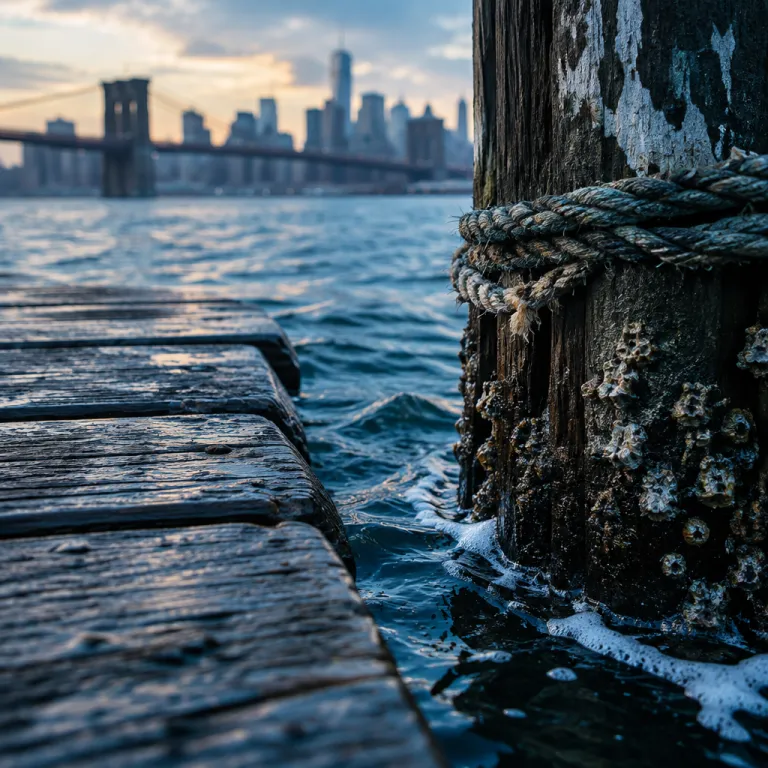
How Brooklyn fits into the best neighborhoods to stay in NYC
Travelers comparing the best neighborhoods to stay in NYC often begin with Manhattan, yet Brooklyn now rivals any New York City area for character and comfort. Many visitors still picture a hotel near Times Square or in midtown Manhattan, but a stay in Brooklyn places you closer to local cafés, waterfront parks, and residential streets that feel genuinely lived in. For someone choosing a place to stay, Brooklyn’s neighborhood mix offers quieter nights, strong subway links to every side of the city, and better value than many central Manhattan hotels.
Think of New York as a connected island city where bridges and tunnels turn borough lines into short commutes rather than barriers. From a hotel in Brooklyn Heights or DUMBO, you can reach lower Manhattan in minutes, then continue to the Upper West Side or Upper East Side without changing your overall trip rhythm. This flexibility matters for first time visitors who want skyline views of New York City, quick access to Central Park, and evenings in a calmer neighborhood that still feels unmistakably New York.
When people search for the best neighborhoods to stay in NYC, they usually weigh three things: travel time, atmosphere, and price. Brooklyn’s waterfront neighborhoods deliver iconic skyline views back toward midtown and the West Side, while inland areas like Park Slope and Fort Greene provide leafy streets and a strong sense of community. Choosing a Brooklyn hotel means you can enjoy the energy of Manhattan by day, then return to a residential district that feels like your own corner of the city at night.
Brooklyn Heights and DUMBO: classic skyline views near lower Manhattan
Brooklyn Heights consistently ranks among the best neighborhoods to stay in NYC for travelers who want postcard worthy skyline views without sleeping in a tourist zone. The Brooklyn Heights Promenade overlooks lower Manhattan, the Statue of Liberty, and the East River side of the island city, while tree lined streets hide historic townhouses and discreet hotels. From here, you can walk to DUMBO in minutes, then cross the Brooklyn Bridge into New York’s financial district faster than many people can travel across midtown Manhattan.
DUMBO itself feels like a compact village framed by cobblestones, art galleries, and the arches of the Manhattan and Brooklyn Bridges. A hotel in this neighborhood places you beside Brooklyn Bridge Park, where lawns, playgrounds, and piers stretch along the East River with uninterrupted views of New York City and the West Side skyline. For a balanced stay, you can spend mornings in Lower Manhattan, afternoons exploring the park and nearby cafés, then return to your room as the lights of Times Square and midtown glow across the water.
Travel planners who like to choose the neighborhood first and the property second should study a detailed guide such as where to stay in Brooklyn by neighborhood and hotel style. This approach mirrors how New Yorkers themselves think about the city: they decide whether they are an Upper West, West Village, or Brooklyn Heights person before they ever pick a specific hotel. For many, Brooklyn Heights and DUMBO win because they combine fast subway access to midtown Manhattan with a calmer residential atmosphere and some of the most dramatic park and skyline views anywhere in New York City.
Park Slope, Prospect Heights, and Fort Greene: leafy brownstone neighborhoods
For travelers who care more about cafés and parks than neon lights, Park Slope, Prospect Heights, and Fort Greene often feel like the best neighborhoods to stay in NYC. These Brooklyn neighborhoods sit just south and east of downtown, wrapped around Prospect Park, which many locals treat as their own version of Central Park. A hotel in this area gives you quick subway access to midtown and the Upper West Side, yet your immediate streets feel like a village of brownstones, playgrounds, and independent restaurants.
Park Slope stretches along the west side of Prospect Park with sloping streets, family friendly squares, and a strong sense of community. Prospect Heights and Fort Greene lie to the north and east, closer to the Barclays Center and the cultural institutions that line Eastern Parkway, making this area ideal for first time visitors who want museums by day and relaxed wine bars by night. From any of these neighborhoods, you can reach lower Manhattan in around twenty minutes, then continue to the West Village, Greenwich Village, or the Flatiron District without sacrificing the calm of your Brooklyn base.
To feel how locals actually use these streets, follow a three day itinerary such as three days in Brooklyn the way a local would spend them. You will notice how residents treat their neighborhood park as a living room, whether it is Prospect Park, Fort Greene Park, or a smaller square tucked between brownstones. For many guests comparing hotels across New York City, this combination of green space, historic architecture, and easy subway links makes Park Slope, Prospect Heights, and Fort Greene a compelling place to stay.
Williamsburg and Greenpoint: creative waterfront energy with easy Manhattan access
Williamsburg and Greenpoint sit along the East River, offering some of the sharpest skyline views back toward midtown Manhattan and the West Side. These neighborhoods transformed from industrial waterfronts into creative hubs, filled with converted warehouses, rooftop bars, and hotels that lean into design and food rather than formality. For travelers comparing the best neighborhoods to stay in NYC, Williamsburg often feels like a self contained village that still connects to Lower East Side and East Side Manhattan in minutes via subway or ferry.
Greenpoint, just north of Williamsburg, keeps a slightly quieter, more residential character while sharing the same waterfront path and views of New York City. A hotel here suits guests who want to stay close to Williamsburg’s nightlife but sleep on calmer streets, with cafés, bakeries, and small parks forming the heart of the neighborhood. From either Williamsburg or Greenpoint, you can reach lower Manhattan quickly, then continue to the West Village, Greenwich Village, or the Flatiron District without changing your base.
Food focused travelers weighing where to stay in New York City should also consider how these Brooklyn neighborhoods intersect with the city’s pizza culture. A detailed local debate such as the Brooklyn pizza argument and where locals line up shows how Williamsburg, Greenpoint, and nearby areas compete with Long Island and other boroughs for the best slices. When you combine that culinary depth with waterfront parks, skyline views, and fast access to midtown and Times Square, Williamsburg and Greenpoint become a powerful answer to anyone asking about the best neighborhoods to stay in NYC.
Comparing Brooklyn with classic Manhattan areas for your stay
Many travelers still default to Manhattan when they search for the best neighborhoods to stay in NYC, especially around Times Square, midtown, and Central Park. Those areas certainly offer dense clusters of hotels, bright lights, and short walks to Broadway, but they also bring higher prices, heavier crowds, and less of a neighborhood feel. Brooklyn, by contrast, offers a range of areas where you can stay close to the action while enjoying quieter streets and more space.
Consider how different Manhattan zones compare with Brooklyn options for a first stay. The Upper West Side, with its residential blocks and proximity to Central Park, feels closest in spirit to Park Slope or Fort Greene, where brownstones and local schools line the streets. The Upper East Side, known for museums and elegant apartment buildings, parallels Brooklyn Heights and parts of Carroll Gardens, while lower Manhattan and the West Village share a walkable, historic character with DUMBO and Williamsburg.
For many guests, the decision is less about borough loyalty and more about which neighborhood rhythm suits their trip. If you want to step out of your hotel into a crowd at any hour, midtown Manhattan and Times Square still deliver that intensity better than almost any other area in New York City. If you prefer a place to stay where you can hear birds in a park in the morning and still reach the East Side or West Side of Manhattan quickly, Brooklyn’s waterfront and brownstone neighborhoods often provide the better balance.
Practical tips for choosing a Brooklyn hotel and neighborhood
When you narrow down the best neighborhoods to stay in NYC, start by mapping your must see sights across the city. If your plans center on museums along the Upper East Side, Broadway shows in midtown, and walks through Central Park, then a Brooklyn neighborhood with strong express subway links to midtown Manhattan, such as Brooklyn Heights or Downtown Brooklyn, will save you time. Travelers focused on food, nightlife, and creative culture may prefer Williamsburg, Greenpoint, or Fort Greene, where the local scene is the main attraction and Manhattan becomes a short hop rather than the daily focus.
Check transit lines as carefully as you check hotel photos, because subway access often matters more than distance on a map. A property near multiple lines can connect you to lower Manhattan, the West Village, Greenwich Village, and the East Side without complicated transfers, which is especially valuable for first time visitors. If you plan day trips to Long Island beaches or other parts of the island city, staying near major hubs such as Atlantic Avenue–Barclays Center or Downtown Brooklyn will simplify your journeys.
Price wise, Brooklyn hotels often offer better value than equivalent properties in central Manhattan, particularly around Times Square and the Flatiron District. You may trade a few minutes of commute for a larger room, quieter neighborhood, or amenities that would cost far more on the West Side or in midtown. For many guests comparing stay options across New York City, that tradeoff makes Brooklyn not just an alternative, but one of the smartest places to stay.
How Brooklyn shapes your overall New York City experience
Choosing Brooklyn as your base does more than change your hotel address; it reshapes how you experience the best neighborhoods to stay in NYC. Days begin on residential streets where children walk to school and dog owners head toward the nearest park, whether that is Prospect Park, Brooklyn Bridge Park, or a small square tucked between brownstones. From there, you can move into the intensity of lower Manhattan, midtown, or the West Side, then retreat to a quieter neighborhood that still feels deeply connected to New York City.
Staying in Brooklyn also encourages you to explore beyond the standard Manhattan grid of Times Square, the West Village, and the Flatiron District. You might spend one evening along the waterfront in DUMBO, another in the cafés of Fort Greene, and a third in Williamsburg, each neighborhood offering different skyline views and atmospheres. Over a few days, the borough begins to feel less like an alternative to Manhattan and more like the place where your version of New York truly lives.
For travelers comparing hotels across the island city, this shift in perspective often becomes the most valuable part of the trip. Instead of treating Brooklyn as a side visit from a midtown Manhattan base, you treat Manhattan as one of several areas you dip into from a Brooklyn neighborhood that feels like home. That is why so many repeat guests say they will stay in Brooklyn again on their next stay in New York City, even after sampling the classic addresses of the Upper West, Upper East, and lower Manhattan.
Key figures about staying in Brooklyn and New York City
- According to NYC & Company’s 2019 annual report, New York City welcomed roughly 66.6 million visitors that year, with Brooklyn capturing a steadily growing share of hotel stays compared with traditional midtown Manhattan areas.
- Data summarized by the New York City Comptroller’s Office in 2022 shows that average daily hotel rates in Brooklyn are typically lower than in central Manhattan, especially around Times Square and the Upper West Side, offering better value for travelers who prioritize space and neighborhood character.
- The Metropolitan Transportation Authority notes that more than half of all New York City subway lines pass through or connect directly to Brooklyn, which means a hotel in key neighborhoods such as Brooklyn Heights, Downtown Brooklyn, or Williamsburg can reach lower Manhattan in roughly 10 to 20 minutes on lines like the A, C, F, 2, 3, 4, or 5.
- NYC Parks reports that Prospect Park spans about 526 acres (over 210 hectares), making it slightly smaller than Central Park but with a more naturalistic design, which is why many locals in neighborhoods like Park Slope and Prospect Heights treat it as their primary green space.
FAQ about choosing the best neighborhoods to stay in NYC with a focus on Brooklyn
Is Brooklyn a good base for first time visitors to New York City?
Yes, Brooklyn works very well for first time visitors who want a balance between classic sights and local life. Neighborhoods such as Brooklyn Heights, DUMBO, Park Slope, and Williamsburg offer fast subway access to lower Manhattan, midtown, and Central Park while providing quieter streets and more residential character. Many guests find that staying in Brooklyn gives them a broader sense of New York City beyond the usual Times Square focus.
Which Brooklyn neighborhoods feel most like classic Manhattan areas?
Brooklyn Heights and Carroll Gardens often feel similar to the West Village or Greenwich Village, with historic townhouses and tree lined streets. Park Slope and Fort Greene echo the Upper West Side, combining brownstones, schools, and easy park access. Williamsburg and DUMBO share some of the energy and skyline views associated with lower Manhattan and the Flatiron District, but with a more creative, waterfront atmosphere.
How long does it take to reach Manhattan from popular Brooklyn neighborhoods?
From Brooklyn Heights or Downtown Brooklyn, subway rides to lower Manhattan usually take around 5 to 10 minutes. Trips from Park Slope, Fort Greene, or Williamsburg to midtown Manhattan often range between 20 and 30 minutes, depending on the exact line and time of day. These journey times mean you can comfortably stay in a Brooklyn neighborhood while visiting multiple Manhattan areas in a single day.
Are Brooklyn hotels cheaper than hotels in midtown Manhattan?
On average, Brooklyn hotels tend to be more affordable than comparable properties in central Manhattan, especially around Times Square and major tourist corridors. You may find that your budget stretches to a larger room, better amenities, or a more residential location when you stay in Brooklyn. Prices still vary by neighborhood and season, so it is worth comparing several areas across New York City before booking.
Which Brooklyn neighborhood is best for families visiting New York City?
Park Slope is often considered one of the best neighborhoods to stay in NYC for families, thanks to its proximity to Prospect Park, playgrounds, and family friendly restaurants. Brooklyn Heights also works well, offering calm streets, strong subway links, and easy walks to Brooklyn Bridge Park. Both neighborhoods provide a quieter base than midtown while keeping lower Manhattan and other key areas within a short ride.