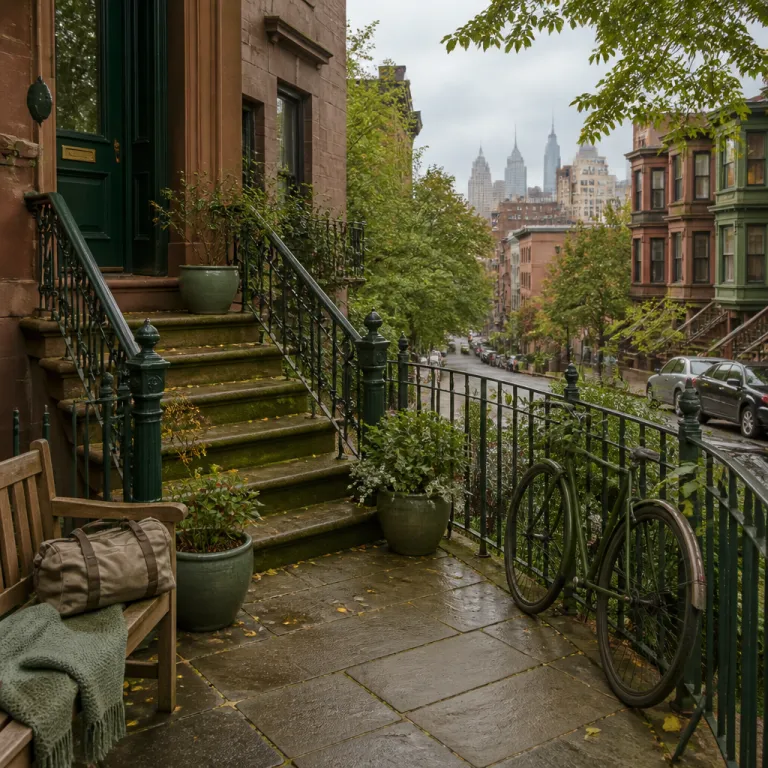
How this brooklyn new york travel guide helps you choose your base
Brooklyn is a vast borough, and choosing the right area shapes your entire trip. This brooklyn new york travel guide focuses on how different neighborhoods feel from street level, so you can find the best match before you even compare room rates. When you understand how the borough connects to Manhattan and wider New York City, you can plan time, budget, and expectations with far more confidence.
Think of Brooklyn as a city within the city, with more than 2.7 million residents and a patchwork of distinct micro districts. For someone booking a hotel, the best question is not only which property looks stylish, but which surroundings will make early mornings and late nights feel effortless during your travel. This is where a curated approach to things Brooklyn offers becomes essential, from transit access to parks, waterfront views, and late night dining.
In this guide to Brooklyn, New York, I will compare the main hotel friendly zones in the borough, then show how they connect to Lower Manhattan, Midtown, and even Times Square for first time visitors. You will see how to head from your lobby to the Brooklyn Bridge, Prospect Park, Coney Island, and the Brooklyn Museum without wasting precious time. Along the way, I will highlight free things, paid attractions, and subtle details that separate a good stay from the best trip you can have in New York City.
Downtown brooklyn and brooklyn heights: classic skyline views and fast access
Downtown Brooklyn is the borough’s commercial core, and it suits travelers who want quick subway links to both Manhattan and wider NYC. From most hotels here you can walk to the Brooklyn Bridge in under 15 minutes, which means a sunrise or sunset view of the skyline becomes one of the best things you can build into your daily routine. This part of the city also places you close to key courts, offices, and the Brooklyn Chamber of Commerce, which supports local businesses and promotes tourism.
Brooklyn Heights, just west of Downtown, feels more residential yet still works beautifully for a short trip. The famous promenade offers a sweeping view of Lower Manhattan, the Statue of Liberty, and the Brooklyn waterfront, so you can enjoy some of the best New York skyline moments without crossing the river. Many visitors consider this one of the essential things Brooklyn offers, especially if you want peaceful evenings after time spent in busy Midtown or near Times Square.
For hotel hunters, the practical advantages are clear in this brooklyn new york travel guide. Subway lines here include the A, C, F, R, 2, 3, 4, and 5 trains, which run directly to Lower Manhattan and Midtown and make a trip from New York City’s financial district back to your room fast even late at night. Typical travel times are around 10–15 minutes to Wall Street and 20–25 minutes to Times Square. You are also within easy reach of free things such as Brooklyn Bridge Park, where lawns, playgrounds, and waterfront paths give you a relaxed city break between more intense attractions on either side of the bridge.
Williamsburg and greenpoint: creative energy, nightlife, and waterfront stays
Williamsburg has become the shorthand for modern Brooklyn, and it works well if you want restaurants, bars, and music venues within a short walk of your hotel. This brooklyn new york travel guide treats Williamsburg and neighboring Greenpoint as one extended waterfront zone, because in practice your trip will likely move fluidly between the two. Both neighborhoods offer a strong mix of things Brooklyn does best, from inventive dining to independent shops and weekend flea markets.
Staying here gives you a different relationship with the city compared with Downtown or Brooklyn Heights. Instead of walking the Brooklyn Bridge each day, you might head to the East River waterfront for a view of the Midtown and Lower Manhattan skylines, then take the NYC Ferry across to Manhattan for meetings or museums. Many travelers say this balance between local neighborhood life and fast access to central Manhattan connections delivers some of the best New York experiences for repeat visitors.
Williamsburg hotels often sit near subway lines such as the L, G, J, M, and Z trains that run directly to the East Village, Union Square, and Times Square, which keeps your overall trip logistics simple. Expect roughly 10–15 minutes to reach Union Square and 20–25 minutes to Times Square by subway. When you return at night, you can explore food halls, rooftop bars, and seasonal cherry blossom displays in nearby parks, then browse late opening flea markets at the weekend. If you value nightlife and creative culture as much as classic attractions, this part of the borough may be the best base in the entire city.
Prospect park, park slope, and nearby brownstone streets
For travelers who prefer leafy streets and slower mornings, the area around Prospect Park offers a very different rhythm. Neighborhoods such as Park Slope, Prospect Heights, and Windsor Terrace surround this vast green space, giving you quick access to one of the best things Brooklyn offers for outdoor time. In this brooklyn new york travel guide, I often recommend this zone to families and longer stay guests who want a calm base with easy subway links.
Prospect Park itself was designed by the same landscape architects who created Central Park, and it rewards repeat visits during a single trip. You can head out early for a run around the lake, return later for a picnic under cherry blossom trees in spring, then finish the day with a concert or open air film when the weather cooperates. These free things add real value to your New York City stay, especially when you balance them with paid attractions in Manhattan and other parts of the borough.
Just north of the park sits the Brooklyn Museum, one of the most important art institutions in NYC and a highlight in any serious brooklyn new york travel guide. Many visitors pair the museum with the nearby Brooklyn Botanic Garden, where cherry blossom season draws large crowds and rewards careful timing of your travel dates. If you choose a hotel in Park Slope or Prospect Heights, you can walk to both the museum and the garden, then ride the subway directly to Lower Manhattan or Times Square when you want a change of pace. Typical journeys from this area take about 20 minutes to Lower Manhattan and 30–35 minutes to Times Square.
Coney island and the southern shoreline: seaside nostalgia and family fun
Staying near Coney Island suits travelers who want a classic seaside atmosphere alongside their urban itinerary. The area sits at the southern edge of the borough, so this brooklyn new york travel guide treats it as a specialist base rather than a central hub. You trade shorter rides to Manhattan for immediate access to the beach, the boardwalk, and a cluster of historic attractions.
Coney Island’s Luna Park amusement park and the Wonder Wheel ferris wheel create a vivid contrast with the glass towers of New York City. Families often consider a day here one of the best things in their entire trip, especially when children can move between the sand, the rides, and casual boardwalk food without long transfers. If you stay nearby, you can head out early to secure a quiet stretch of beach, then return to your room for a rest before enjoying the evening lights of the park.
Because the subway ride from Coney Island to Lower Manhattan on lines such as the D, F, N, and Q can take around an hour, this base works best for travelers who prioritize the seaside over constant museum visits. You can still reach the Brooklyn Museum, Prospect Park, and the Brooklyn Bridge in a single day, but you will need to plan time carefully. For many visitors, though, the combination of ocean air, free things like the public beach, and the nostalgic charm of Luna Park makes this corner of the borough feel like a small island escape within greater NYC.
Planning your routes: bridges, parks, and key attractions from any hotel
Once you have chosen a neighborhood, the next step in this brooklyn new york travel guide is to map how you will move between borough highlights. The Brooklyn Bridge remains the single most iconic connection between Manhattan and Brooklyn, and walking it at least once gives you a powerful view of both skylines. Many travelers plan their first full day around a loop that starts in Lower Manhattan, crosses the bridge, and finishes with dinner near Brooklyn Bridge Park.
From almost any hotel in the borough, you can reach the Brooklyn Museum, Prospect Park, and Coney Island with a single subway transfer or less. A smart approach is to group attractions by area, so you might spend one day focused on things Brooklyn offers around the park and museum, then another day on New York City classics such as Times Square and Midtown landmarks. This structure reduces backtracking and leaves more time for free things like waterfront walks, neighborhood flea markets, and unplanned café stops.
Social planning tools can help you coordinate your trip details with friends or family, whether you share maps through Facebook, Twitter, or private messaging. Always check each hotel’s privacy policy before using in house apps or Wi Fi for bookings, especially when you connect payment cards or personal data. To summarize the most common visitor questions in one place, here are key points from local guidance: “What are must-see attractions in Brooklyn? Brooklyn Bridge, Prospect Park, Coney Island. Best time to visit Brooklyn? April-June, September-October. Is Brooklyn safe for tourists? Generally safe; stay aware of surroundings.”
How to find the best hotel for your brooklyn itinerary
Choosing the right property in this brooklyn new york travel guide comes down to matching your priorities with the borough’s geography. If your main goal is to see as many attractions as possible in both Brooklyn and Manhattan, then Downtown Brooklyn or Brooklyn Heights will usually be the best choice. Travelers who care more about nightlife and creative scenes often find best value and atmosphere in Williamsburg or Greenpoint.
Families and longer stay guests may prefer the quieter streets around Prospect Park, where brownstone blocks and playgrounds make daily life feel more relaxed. From here you can head easily to the Brooklyn Museum, the botanic garden, and neighborhood flea markets, then ride into New York City for a show or a major museum when you wish. Those who dream of boardwalk evenings and ocean breezes might accept longer subway rides in exchange for a hotel near Coney Island and Luna Park.
Whatever you choose, remember that Brooklyn is a full city in its own right, not just an annex of New York City across the bridge. Treat the borough as the main stage of your travel plans, then use Manhattan connections for targeted visits to Times Square, major museums, and business districts. When you align your base, your daily routes, and your personal definition of the best things in a holiday, you turn a simple hotel booking into a well crafted NYC experience.
Key figures for planning a stay in brooklyn
- Brooklyn’s population is around 2,736,074 people, which makes the borough comparable in size to a major standalone city and explains the diversity of hotel options and neighborhood characters (TravelDojo, using U.S. Census data and NYC & Company summaries).
- The most recommended periods to visit Brooklyn are April to June and September to October, which helps travelers avoid peak summer heat while still enjoying outdoor attractions such as Prospect Park and Coney Island (local tourism guidance and NYC climate records from the National Weather Service).
- Core must see attractions repeatedly cited for first time visitors include the Brooklyn Bridge, Prospect Park, and Coney Island, so choosing a hotel with straightforward transit to at least two of these can significantly improve your overall experience (local Q&A data, visitor surveys, and NYC & Company highlights).
FAQ: practical questions for booking a hotel in brooklyn
What are the must see attractions near most hotel areas in Brooklyn?
Across the borough, the most consistently recommended sights are the Brooklyn Bridge, Prospect Park, and Coney Island, all of which are reachable by subway from major hotel clusters. Many visitors also include the Brooklyn Museum and the Brooklyn Botanic Garden in their plans, especially when staying near Park Slope or Prospect Heights. If you base yourself in Downtown Brooklyn or Brooklyn Heights, you can walk to the bridge and the waterfront parks in under 20 minutes.
Which Brooklyn neighborhood is best for first time visitors who want to see manhattan?
For a first trip focused on both Brooklyn and Manhattan, Downtown Brooklyn and Brooklyn Heights usually offer the best balance. These areas provide fast subway access to Lower Manhattan, Midtown, and Times Square, while still keeping you close to borough highlights such as Brooklyn Bridge Park. You also gain easy routes to the Brooklyn Museum and Prospect Park, which helps you experience more than one side of New York City during a short stay.
Is Brooklyn generally safe for tourists staying in hotels?
Most hotel friendly neighborhoods in Brooklyn, including Downtown Brooklyn, Brooklyn Heights, Williamsburg, and Park Slope, are generally safe for visitors. As with any large city, you should stay aware of your surroundings, avoid displaying valuables, and use well lit routes at night. Choosing a property near busy streets and major subway stations can add an extra layer of comfort, especially if you plan late evening returns from Manhattan.
How long should I plan for a trip focused mainly on Brooklyn?
A stay of three to five nights allows enough time to see key attractions such as the Brooklyn Bridge, Prospect Park, the Brooklyn Museum, and Coney Island without rushing. With four nights, you can dedicate at least one full day to Manhattan while still exploring multiple Brooklyn neighborhoods at a relaxed pace. Longer trips of a week or more work well if you want to experience local markets, smaller parks, and less visited corners of the borough.
What is the best way to move between Brooklyn and manhattan from my hotel?
The subway remains the fastest and most reliable way to travel between Brooklyn and Manhattan for most visitors. Lines from Downtown Brooklyn, Brooklyn Heights, and Williamsburg run directly to Lower Manhattan, Midtown, and Times Square, which keeps transfers simple. Ferries along the East River add scenic options, especially from Williamsburg and DUMBO, while taxis and ride hailing services fill gaps late at night or when you are carrying luggage.
Trusted references
- NYC & Company (official tourism organization for New York City)
- Metropolitan Transportation Authority (MTA) for subway and bus information
- Brooklyn Chamber of Commerce for local business and visitor resources
