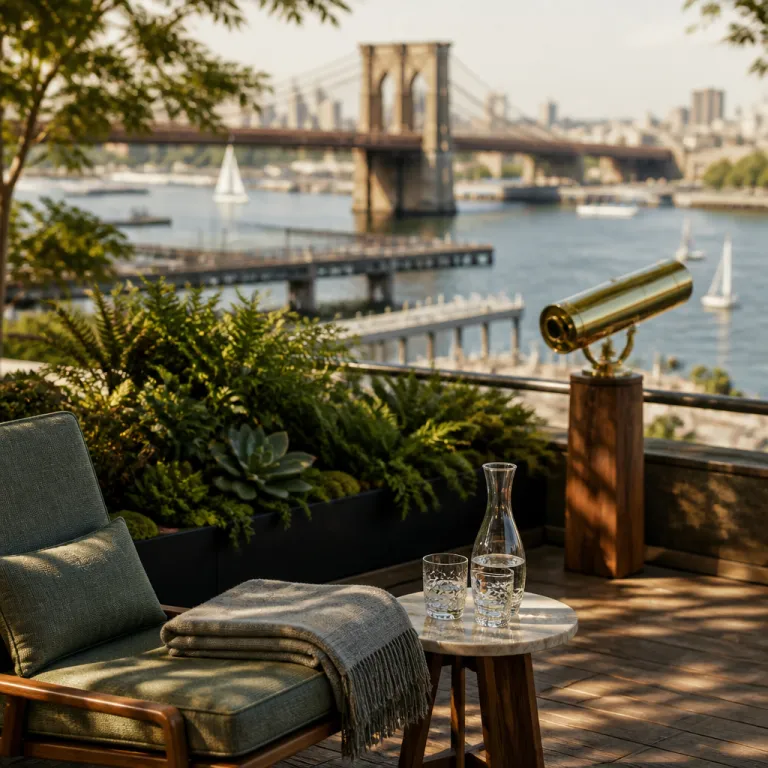
Brooklyn waterfront attractions and how to choose your hotel
Why Brooklyn waterfront attractions matter when choosing your hotel
Staying near the Brooklyn waterfront places you between New York Harbor and the creative energy of the borough. From your hotel you can walk to a park, a pier, or a museum in minutes, then return to a quiet room with skyline views of Manhattan. For many travelers, the best things about Brooklyn are the mix of rich history, contemporary art, and easy access to the rest of NYC.
The most sought after Brooklyn waterfront attractions stretch along the East River from Brooklyn Heights to DUMBO and down toward Red Hook. This shoreline frames the Brooklyn Bridge and the Manhattan Bridge, and it opens onto New York Harbor where ferries glide toward the Statue of Liberty and Lower Manhattan. When you plan a visit, think of the waterfront as a continuous ribbon of experiences rather than isolated sights.
Hotel guests often underestimate how much time they will spend walking between each park and pier during a single day. Distances look short on a map, yet the open views, public art, and frequent events invite you to linger. Choosing accommodation close to Brooklyn Bridge Park or the Brooklyn Heights Promenade can save you hours of commuting and give you more time for ice skating in winter or sunset strolls in September.
Staying near Brooklyn Bridge Park and the East River
Brooklyn Bridge Park is the anchor of most Brooklyn waterfront attractions and a prime reference point when selecting a hotel. This long, narrow park stretches for more than 2 kilometres along the East River, connecting Brooklyn Heights with DUMBO through lawns, playgrounds, and restored piers. According to the Brooklyn Bridge Park Corporation, the park covers roughly 34 hectares of former industrial shoreline that has been converted into public space and recreation areas.
The park’s piers each have a distinct character, so plan a visit with your interests in mind. One pier focuses on sports, another on public art, while a different street pier offers lawns and quiet corners that feel far from NYC traffic. Seasonal events in the park range from outdoor films to food festivals, and these programs often extend into the evening, especially on summer weekends.
If you are comparing hotels along the waterfront, use a detailed guide to Brooklyn Bridge Park to understand walking times and access points. A property near Pier 1 or Pier 2 gives you quick access to the main promenade and to NYC Ferry routes that cross the harbor to Manhattan in roughly 5 to 10 minutes. For a deeper breakdown of which areas suit families, couples, or solo travelers, see this dedicated resource on how to choose the best Brooklyn hotel for the waterfront.
DUMBO, Brooklyn Heights, and the art of staying central
DUMBO and Brooklyn Heights sit at the heart of Brooklyn waterfront attractions and offer some of the most convenient hotel locations. DUMBO, whose name refers to the area down under the Manhattan Bridge overpass, combines cobblestone streets, industrial warehouses, and cutting edge art galleries. Brooklyn Heights, by contrast, offers tree lined streets, brownstone houses, and a promenade with one of the most famous views in New York.
From a hotel in DUMBO you can walk to the Brooklyn Bridge in under ten minutes and reach the waterfront park in even less. The neighborhood’s open plazas host public art installations, seasonal markets, and cultural events that often run late into the evening hours. One recent guest described stepping out after dinner, walking five minutes to the river, and watching the lights come on across Lower Manhattan before heading back to their room.
Brooklyn Heights hotels appeal to travelers who value a sense of rich history and calm streets after exploring busy NYC districts. The Brooklyn Heights Promenade overlooks the East River, Lower Manhattan, and New York Harbor, and it connects easily to Brooklyn Bridge Park via stairs and ramps. When you plan a visit, check the park’s open hours and any scheduled concerts or film nights, especially if you are visiting in September when the weather is mild and outdoor programs are popular.
Red Hook, piers, and quieter waterfront retreats
Red Hook offers a different side of Brooklyn waterfront attractions, with a more industrial harbor atmosphere and fewer crowds. This neighborhood sits on a peninsula that reaches into New York Harbor, giving hotels and guesthouses here wide views toward the Statue of Liberty and the working shipping piers. Travelers who stay in Red Hook often appreciate the slower pace and the feeling of being slightly removed from central NYC while still connected by ferry.
The working waterfront in Red Hook includes cargo facilities, a cruise terminal, and long piers that recall the area’s maritime history. Alongside this industrial setting you will find a growing number of art spaces, small galleries, and public art projects that use warehouses and street pier locations as exhibition sites. On a clear day you can watch ships move through New York Harbor while enjoying a coffee on the waterfront, then head back to your hotel for a quiet evening.
Because Red Hook is less connected by subway than Brooklyn Heights or DUMBO, you should plan a visit carefully and check NYC Ferry schedules and bus routes. Many visitors combine a day in Red Hook with time in Brooklyn Bridge Park, using the harbor ferries to move between these Brooklyn waterfront attractions. If you value calm nights, water views, and a sense of rich history tied to the harbor, a hotel in Red Hook or near the Red Hook piers can be an excellent choice.
Education centers, museums, and environmental education along the water
Beyond parks and skyline views, Brooklyn waterfront attractions include several institutions focused on environmental education and maritime history. Along the East River and New York Harbor you will find at least one education center that offers programs about the ecology of the estuary and the impact of urban development. These centers often collaborate with schools from across NYC and Lower Manhattan, turning the waterfront into an outdoor classroom.
Some piers host small museum spaces or interpretive exhibits that explain the history of shipping, immigration, and industry in Brooklyn and New York. When you plan a visit, check the open hours of each museum or education center, as schedules can vary by day and by season. Many travelers appreciate combining a morning of environmental education with an afternoon walk through a park or along a street pier lined with public art.
Hotels near these institutions are particularly convenient for families and for guests who enjoy structured learning experiences during their stay. You can attend a harbor themed workshop, join a guided walk about the rich history of Brooklyn’s shoreline, then return to your room before heading out again for evening events. In September some centers offer special seasonal open programs, so look for these when reviewing event calendars and planning which Brooklyn waterfront attractions to prioritize.
Seasonal experiences, events, and how they shape your stay
The character of Brooklyn waterfront attractions changes dramatically with the seasons, which should influence how you choose your hotel. In winter, ice skating rinks appear near the waterfront, and the crisp air over the East River makes skyline views especially clear. A hotel within walking distance of an ice skating rink or a sheltered park can turn a cold day into a memorable part of your NYC trip.
Spring and summer bring outdoor events to almost every park and pier along the Brooklyn waterfront. Concerts, film screenings, and food festivals take over lawns and plazas, often extending open hours late into the night. If you enjoy this energy, select a hotel close enough to walk home after an event but far enough from the loudest stages to ensure quiet sleep.
September is particularly appealing, with warm days, cooler evenings, and a full calendar of open air events across Brooklyn Bridge Park, DUMBO, and Red Hook. Many hotels adjust their rates based on major events, so it pays to plan a visit early and monitor calendars for the best things happening during your dates. For guests who prefer a calmer atmosphere, consider midweek stays when events are fewer and the waterfront feels more like a neighborhood than a festival ground.
Practical hotel planning for Brooklyn waterfront stays
Choosing the right hotel near Brooklyn waterfront attractions requires balancing views, transport, and budget. Properties closest to Brooklyn Bridge Park and Brooklyn Heights often command higher rates, but they reduce travel time to Manhattan and to key NYC landmarks. Hotels in DUMBO or Red Hook may offer better value while still keeping you close to the harbor, the park system, and the main bridge crossings.
Transport links should be central to how you plan a visit, especially if you expect to cross frequently between Brooklyn and Manhattan. NYC Ferry services along the East River connect Brooklyn Bridge Park, DUMBO, and Red Hook with Lower Manhattan and other parts of New York, offering scenic alternatives to the subway. Walking across the Brooklyn Bridge remains one of the best things to do on a clear day, and staying nearby lets you choose early morning or late evening hours when the span is quieter.
For guests focused on value, it is worth consulting specialized resources on how to book affordable rooms without sacrificing location. A detailed guide such as this article on how to book cheap hotels in Brooklyn without compromising your New York City trip can help you match neighborhoods to your budget. By aligning your choice of hotel with the specific Brooklyn waterfront attractions you care about most, you ensure that every day of your stay feels both efficient and deeply connected to the harbor, the parks, and the bridges that define this part of New York.
Key figures about Brooklyn waterfront tourism
- New York City welcomed over 56 million visitors in 2014, and tourism agencies report that Brooklyn’s share has grown steadily as more travelers seek alternatives to Midtown Manhattan (source: NYC & Company travel statistics, 2015 reports, noting that citywide visitation has continued to rise in subsequent years).
- Brooklyn Bridge Park covers roughly 34 hectares of reclaimed waterfront, transforming former industrial piers into green space and public facilities along more than 2 kilometres of shoreline (source: Brooklyn Bridge Park Corporation, 2018 park overview and official park fact sheets).
- The East River ferry routes connecting Brooklyn waterfront neighborhoods with Lower Manhattan carry tens of thousands of passengers on peak summer days, easing pressure on subway lines and offering visitors a scenic transit option (source: NYC Ferry ridership reports and New York City Economic Development Corporation, 2019 seasonal data).
- Hotel development in Brooklyn has expanded significantly over the past decade, with dozens of properties opening near DUMBO, Brooklyn Heights, and Downtown Brooklyn to meet rising demand for waterfront access (source: New York City Department of City Planning and hospitality industry reports, 2010–2020).
FAQ about Brooklyn waterfront attractions and hotels
Is it better to stay in Brooklyn or Manhattan for waterfront views ?
Staying in Brooklyn offers direct access to parks, piers, and promenades that face the Manhattan skyline across the East River. Many guests find that Brooklyn Heights and DUMBO provide more open views of Lower Manhattan and the harbor than hotels located within Manhattan itself. If you value quieter streets and easy access to Brooklyn Bridge Park, Brooklyn is often the better choice.
Which Brooklyn neighborhoods are best for walking to the waterfront ?
DUMBO, Brooklyn Heights, and parts of Red Hook are the most convenient neighborhoods for walking to Brooklyn waterfront attractions. From DUMBO and Brooklyn Heights you can reach Brooklyn Bridge Park, the Brooklyn Bridge, and ferry terminals in a few minutes on foot. Red Hook requires slightly longer walks but rewards you with expansive harbor views and a calmer atmosphere.
How long does it take to reach Manhattan from a Brooklyn waterfront hotel ?
Travel time from a Brooklyn waterfront hotel to Manhattan depends on your exact location and transport choice. From DUMBO or Brooklyn Heights, subway rides to Lower Manhattan typically take around 10 minutes, while ferries across the harbor can take a similar time but offer better views. Walking across the Brooklyn Bridge from these neighborhoods usually takes 20 to 30 minutes at a relaxed pace.
Are Brooklyn waterfront areas safe for evening walks ?
Brooklyn waterfront neighborhoods such as Brooklyn Heights, DUMBO, and the main sections of Brooklyn Bridge Park are generally considered safe for evening walks, especially in well lit areas. As in any large city, you should stay aware of your surroundings, avoid very isolated spots late at night, and follow local advice from your hotel staff. Events and public art installations often keep these areas active into the evening, which many visitors find reassuring.
When is the best time of year to enjoy Brooklyn waterfront attractions ?
Late spring, summer, and early autumn offer the most comfortable weather for enjoying Brooklyn waterfront attractions. September is particularly appealing because temperatures are mild, crowds are slightly thinner than peak summer, and many open air events still take place in parks and on piers. Winter can also be rewarding if you enjoy ice skating and crisp harbor views, provided you pack warm clothing.
