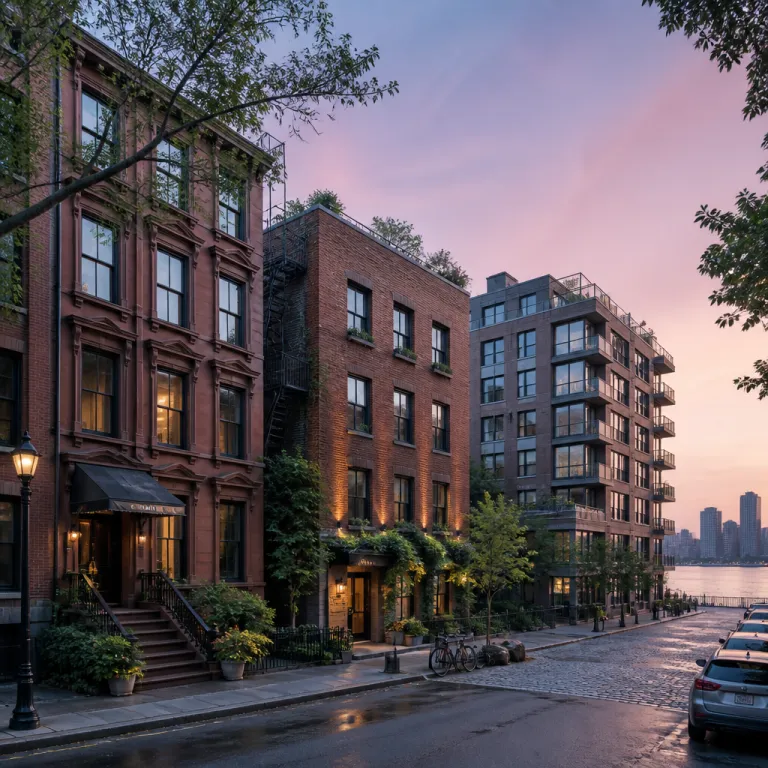
Why the best neighborhoods in Brooklyn matter for your hotel choice
Choosing a hotel in Brooklyn is really about choosing the right neighborhood. The best neighborhoods in Brooklyn each offer a distinct rhythm, different access to a park, and their own balance between local life and easy trips into Manhattan. When you understand how these Brooklyn neighborhoods connect to the wider New York City grid, you can match your stay to the pace and style you prefer.
Think of Brooklyn as a city of villages, where every neighborhood has its own character, average noise level, and different options to eat, drink, or relax. Some areas Brooklyn visitors love, such as Brooklyn Heights or Park Slope, feel almost residential yet sit only minutes from the Brooklyn Bridge and the skyline of Manhattan. Others, like Williamsburg or Downtown Brooklyn, feel more like a compact city within a city, with high energy, nightlife, and a constant flow of people.
For hotel guests, the best neighborhoods are those where you can walk safely at night, find a good restaurant within 300 to 500 metres, and reach the subway in under ten minutes. That is why a practical guide to the best neighborhoods in Brooklyn must look beyond pretty streets and consider transport, real estate patterns, and how quickly you can find a taxi or rideshare. When you compare one Brooklyn neighborhood with another, you are really comparing how your days and nights will feel from the moment you step outside the lobby.
Brooklyn Heights and Cobble Hill: elegant stays near the Brooklyn Bridge
Brooklyn Heights is one of the best neighborhoods in Brooklyn for travellers who want calm streets and fast access to Manhattan. This historic Brooklyn neighborhood sits on a bluff above the East River, with the famous Brooklyn Heights Promenade offering high views of the Brooklyn Bridge and the New York City skyline. Many of the buildings here are pre war brownstones and townhouses, which gives the streets a refined, residential feel even though you are only one or two subway stops from lower Manhattan.
Hotels in Brooklyn Heights and nearby Cobble Hill work well for guests who value atmosphere over nightlife. Cobble Hill and Carroll Gardens form a cluster of low rise neighborhoods Brooklyn visitors often choose when they want to eat and drink in independent restaurants rather than chains, and then stroll back to their room through quiet streets. In these parts of Brooklyn, you will find a park or small playground every few blocks, and the average walking distance to a café or deli is short enough to make mornings feel effortless.
From a practical point of view, this area offers one of the strongest overall score combinations of charm, safety, and transport in New York City. You can walk from many hotels in Brooklyn Heights to the Brooklyn Bridge Park waterfront in under ten minutes, which gives you green space, bike paths, and ferry links across the river. Typical subway rides from nearby stations such as Clark Street or Borough Hall to lower Manhattan take about 5 to 10 minutes on lines like the 2, 3, 4, or 5, so first time visitors can move easily between Brooklyn neighborhoods and central sights.
Park Slope and Prospect Heights: green space, families, and Prospect Park
Park Slope is widely regarded as one of the best neighborhoods in Brooklyn for families and travellers who prioritise access to a major park. The streets of Park Slope are lined with pre war brownstones, tree canopies, and a steady flow of strollers, which gives the neighborhood a relaxed, residential rhythm. At the heart of its appeal is Prospect Park, a vast green space designed by the same landscape architects who created Central Park in Manhattan.
Staying in Park Slope or neighbouring Prospect Heights places you beside Prospect Park and within easy reach of cultural institutions. Prospect Heights sits just north of the park and offers quick access to the Brooklyn Museum, the Brooklyn Botanic Garden, and the Barclays Center arena, which makes it one of the best neighborhoods for guests who want both culture and sport. In these Brooklyn neighborhoods, you can eat and drink in small restaurants along Vanderbilt Avenue or Fifth Avenue, then walk back to your hotel through streets that feel more like a quiet town than a big New York City borough.
For many visitors, the average day here starts with coffee near the park, continues with a long walk through meadows and woodland, and ends with dinner in a local restaurant that feels far from midtown crowds. When you compare Park Slope with more high energy areas like Williamsburg, the difference in pace and noise is striking, and that contrast helps you find the Brooklyn neighborhood that matches your sleep habits. If you value a strong score for green space, family friendly streets, and classic pre war architecture, Park Slope and Prospect Heights should sit near the top of your list.
Williamsburg, Downtown Brooklyn, and Fort Greene: urban energy and nightlife
Williamsburg has become one of the best neighborhoods in Brooklyn for travellers who want nightlife, music, and a constant choice of restaurants. This former industrial Brooklyn neighborhood now attracts young professionals and creatives, and its waterfront hotels offer some of the most dramatic views back towards Manhattan and the wider New York City skyline. The average evening here involves moving between bars, live music venues, and rooftop spaces where you can eat and drink while watching the lights of the city.
Downtown Brooklyn and nearby Fort Greene provide a different kind of urban energy, with more offices, universities, and cultural venues. Downtown Brooklyn has grown into a high rise business district, so hotels here suit guests who want fast subway links across Brooklyn neighborhoods and into Manhattan, often with some of the best transport score options in the borough. Just to the east, Fort Greene offers tree lined streets, a central park called Fort Greene Park, and a mix of pre war brownstones and newer real estate developments that feel more residential.
For visitors comparing the best neighborhoods in Brooklyn, this cluster is ideal if you want a city break rather than a quiet retreat. You can walk from many hotels in Downtown Brooklyn to Fort Greene or to the Brooklyn Bridge in under twenty minutes, which makes it easy to explore several neighborhoods Brooklyn has to offer in a single day. Subway routes such as the A, C, F, N, Q, R, 2, 3, 4, and 5 pass through stations like Jay Street–MetroTech and Atlantic Avenue–Barclays Center, and typical journeys to midtown Manhattan take around 20 to 25 minutes door to door.
Crown Heights, Bedford Stuyvesant, and Bed Stuy: culture, history, and value
Crown Heights and Bedford Stuyvesant, often shortened to Bed Stuy, appeal to travellers who want to experience the cultural depth of Brooklyn beyond the most famous waterfront areas. These neighborhoods Brooklyn visitors choose for longer stays often combine historic pre war housing stock with a growing number of cafés, bars, and restaurants. While they may not yet rank as the best neighborhoods in Brooklyn for first time tourists, they offer strong value and a more local feel.
Crown Heights stretches east from Prospect Heights and benefits from proximity to Prospect Park and major cultural institutions, yet hotel prices here can be lower than in Park Slope or Brooklyn Heights. Bedford Stuyvesant and Bed Stuy are known for long rows of brownstones and a rich African American and Caribbean heritage, which you will feel in the food, music, and community events. When you stay in a hotel here, you trade a slightly longer subway ride to Manhattan for a more authentic sense of New York City neighbourhood life.
From a practical perspective, these areas suit guests who have already visited New York City once and now want to explore different Brooklyn neighborhoods. You can still find a park within walking distance, and the average restaurant bill may be lower than in Williamsburg or Cobble Hill, which helps longer stays feel more affordable. If you are comparing the best neighborhoods in Brooklyn by price, culture, and access to Prospect Park, Crown Heights and Bedford Stuyvesant deserve serious consideration.
Carroll Gardens, Cobble Hill, and Park Slope: hidden gems and hotel selection tips
Carroll Gardens, Cobble Hill, and Park Slope form a chain of south Brooklyn neighborhoods that many hotel guests overlook when they focus only on Williamsburg or Brooklyn Heights. These areas consistently rank among the best neighborhoods in Brooklyn for walkability, local shops, and a strong sense of community. You will notice pre war townhouses with front gardens, small independent restaurants, and a slower pace that contrasts with the high tempo of midtown Manhattan.
When choosing a hotel in these neighborhoods, pay attention to how close you are to a park or to Prospect Park itself. A property within 500 to 800 metres of Prospect Park or a smaller local park will give you easy access to morning runs, picnics, or quiet evening walks, which can significantly raise your personal comfort score for the trip. In Carroll Gardens and Cobble Hill, many streets slope gently towards the waterfront, and that subtle hill creates viewpoints where you can see the wider New York City skyline between rows of trees.
For travellers who care about real estate character, these neighborhoods offer some of the most consistent historic streetscapes in New York City. You will find a mix of pre war brownstones, low rise apartment buildings, and carefully restored townhouses, which makes even a short walk to breakfast feel special. If your priority is to eat and drink well, sleep quietly, and still reach Manhattan in under thirty minutes, Carroll Gardens, Cobble Hill, and Park Slope together form one of the best neighborhood clusters in Brooklyn.
How to compare Brooklyn neighborhoods and find your ideal base
To choose among the best neighborhoods in Brooklyn, start by ranking your priorities. Decide how much you value a large park like Prospect Park, how quickly you need to reach Manhattan, and whether nightlife or quiet streets matter more to you. Once you have that list, you can compare each Brooklyn neighborhood on a simple score card that weighs transport, green space, restaurants, and overall atmosphere.
For example, Brooklyn Heights and Cobble Hill score high on charm, safety, and proximity to the Brooklyn Bridge, while Williamsburg scores high on nightlife, waterfront views, and creative energy. Park Slope and Prospect Heights perform best for families and park lovers, thanks to their direct access to Prospect Park and a dense network of playgrounds and schools. Downtown Brooklyn and Fort Greene sit in the middle, offering a city centre feel with quick links across New York City and a mix of cultural venues and residential streets.
Whatever you choose, remember that Brooklyn is compact enough that you can explore several neighborhoods in a single day. You might stay in Park Slope, walk through Prospect Park in the morning, cross to Crown Heights in the afternoon, and end the day near the waterfront in Brooklyn Heights. By treating this borough as a connected set of villages within the city, you will find that the best neighborhoods in Brooklyn are those that match your own rhythm rather than any single ranking.
Key figures that shape the best neighborhoods in Brooklyn
- Local real estate data from sources such as Zillow and StreetEasy in 2024 suggest that the median home price in Park Slope is in the range of roughly 1 400 000 to 1 600 000 USD, which reflects its status as one of the best neighborhoods in Brooklyn for families and long term residents. Exact figures vary by block, building type, and month of listing.
- Recent census style estimates for the broader Williamsburg area, based on American Community Survey releases and NYC population summaries available in 2024, indicate a population well above 30 000 residents, a scale that helps support a dense network of restaurants, bars, and cultural venues within a relatively small area.
- NYPD CompStat summaries for precincts that include Brooklyn Heights and parts of Downtown Brooklyn, such as the 84th Precinct, report crime levels that are lower than many other parts of New York City, reinforcing the area’s reputation as a relatively safe Brooklyn neighborhood for hotel guests. Readers should always consult the latest CompStat tables for up to date figures.
- Average rents for a one bedroom apartment in Williamsburg, based on 2024 listings on StreetEasy, Zillow, and similar platforms, cluster around 3 000 USD per month, a figure that signals high demand and helps explain why hotel rates in this neighborhood can be higher than in Crown Heights or Bed Stuy.
- Across key Brooklyn neighborhoods such as Park Slope, Brooklyn Heights, and Fort Greene, walking distances to a major park or waterfront are often under one kilometre, which significantly improves quality of life for both residents and visitors and makes these areas attractive bases for hotel stays.
FAQ: choosing among the best neighborhoods in Brooklyn
What is the average rent in Williamsburg and how does it affect hotel prices ?
The average rent for a one bedroom apartment in Williamsburg is about 3 000 USD per month according to recent listings on platforms like StreetEasy and Zillow, which signals strong demand from residents and helps push hotel prices higher than in some other Brooklyn neighborhoods. Travellers should expect room rates here to reflect that premium, especially for properties with direct views of Manhattan. If you want similar energy at a slightly lower cost, consider Fort Greene or Crown Heights as alternatives.
Is Brooklyn Heights safe for hotel guests staying near the waterfront ?
Brooklyn Heights has a relatively low crime rate compared with many other parts of New York City, based on NYPD CompStat data for precincts that cover the area, including the 84th Precinct. The area around the Brooklyn Heights Promenade and Brooklyn Bridge Park is well used by locals and visitors throughout the day, which adds to the sense of safety. As in any New York City neighborhood, normal precautions apply, but most hotel guests report feeling comfortable walking here after dark.
Which Brooklyn neighborhoods are best for families visiting Prospect Park ?
Park Slope and Prospect Heights are generally considered the best neighborhoods in Brooklyn for families who want to be close to Prospect Park. Both neighborhoods offer short walking distances to the park entrances, playgrounds, and cultural institutions such as the Brooklyn Museum and the Brooklyn Botanic Garden. Hotels in these areas also benefit from quieter residential streets and a strong selection of family friendly restaurants.
How do I choose between Williamsburg and Downtown Brooklyn for nightlife ?
Williamsburg is better if you prioritise bars, live music, and a creative scene concentrated within a compact waterfront neighborhood. Downtown Brooklyn, by contrast, offers a broader mix of shopping centres, chain restaurants, and quick links to other nightlife hubs across New York City, including Manhattan. If you want to walk between multiple venues in one area, Williamsburg is ideal, while Downtown Brooklyn works well as a transport hub for exploring several neighborhoods in one night.
Which Brooklyn neighborhoods offer the best balance of value and access to Manhattan ?
Crown Heights, Bed Stuy, and parts of Carroll Gardens often provide better value than Brooklyn Heights or Williamsburg while still offering reasonable travel times to Manhattan. These neighborhoods Brooklyn visitors choose for longer stays combine lower average accommodation costs with improving restaurant scenes and solid subway connections. If you are willing to add ten to fifteen minutes to your commute, you can often secure a larger room or quieter street in these areas.
